

Types of residential roofing can feel overwhelming if you are not familiar with how roofs are built. Most homeowners are not looking for technical details. They want a roof that looks good, lasts for years, and protects their home without constant repairs.
The right choice depends on a few important factors:
- Your budget
- The weather in your area
- The style of your home
- How much maintenance you are comfortable with
This guide breaks everything down in a simple way. You will learn the most common roof styles, the materials used, and how to choose the best option for your home with confidence
What Are the Different Types of Residential Roofing?
When people talk about types of residential roofing, they are usually referring to two main parts:
- Roof style → the shape and structure of the roof
- Roof material → what the roof is made of
Both play a big role. The style affects how your roof drains water and how your home looks from the outside. The material affects how long your roof lasts, how much it costs, and how much maintenance it needs.
Some of the most common types include:
- Gable roofs
- Hip roofs
- Flat roofs
- Skillion roofs
- Mansard and gambrel roofs
- Materials like asphalt shingles, metal, tile, and more
Understanding both parts will help you make a smarter decision.
Most Common Residential Roof Styles (With Pros and Cons)
Gable Roof (Pitched Roof)
The gable roof is one of the most common styles in residential homes. It has two sloped sides that meet in the middle, forming a triangle shape.
Pros:
- Cost-effective and easy to build
- Excellent water drainage
- Allows space for attics and ventilation
Cons:
- Can be vulnerable to strong winds if not properly reinforced
This is a great choice for homeowners looking for a simple and reliable roof.
Hip Roof
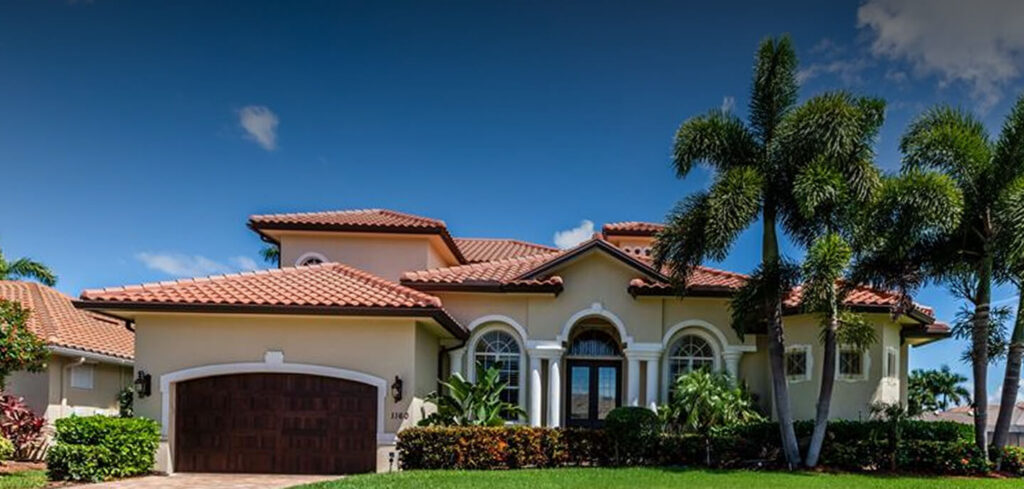
A hip roof has four sloping sides that come together at the top. This design makes it more stable than many other roof types.
Pros:
- Very strong and wind-resistant
- Good drainage from all sides
- Balanced and durable structure
Cons:
- Higher construction cost
- Less attic space compared to gable roofs
Hip roofs are a smart option for areas that experience storms or strong winds.
Flat Roof
Flat roofs are common in modern homes. Even though they look flat, they have a slight slope to allow water to drain.
Pros:
- Clean and modern appearance
- Can be used for rooftop patios or equipment
- Works well with solar panels
Cons:
- Requires proper drainage systems
- Needs regular maintenance to prevent leaks
Flat roofs are ideal if you want a modern look and additional usable space.
Skillion (Shed) Roof
This roof has a single slope and is often used in modern or minimalist designs.
Pros:
- Simple and cost-effective
- Allows for large windows and natural light
- Modern and unique look
Cons:
- Limited attic space
- May require careful drainage planning
Butterfly Roof
A butterfly roof slopes inward, forming a V shape. It is often seen in eco-friendly homes.
Pros:
- Great for collecting rainwater
- Ideal for solar panel installation
- Distinct modern design
Cons:
- More complex and expensive to build
- Needs strong waterproofing
Saltbox Roof
This is an asymmetrical roof where one side is longer than the other.
Pros:
- Excellent drainage
- Adds interior space
- Works well for home additions
Cons:
- Less common, so design options may be limited
Gambrel Roof
Often seen on barns, this roof has two slopes on each side, with the lower slope being steeper.
Pros:
- Creates more attic or storage space
- Uses fewer materials than complex roofs
Cons:
- Not ideal for areas with high winds
Mansard Roof
This roof has four sides with double slopes and often includes windows.
Pros:
- Maximizes usable living space
- Adds a classic, elegant look
Cons:
- More expensive to build
- Requires skilled installation
Other Unique Roof Designs
Some homes feature more unique styles like:
- Curved roofs
- Domed roofs
These are less common and usually require custom design and construction.
Thinking about a modern roof for your home?
A professional inspection can help you decide what works best based on your structure and budget.
Types of Residential Roofing Materials Explained
Asphalt Shingles
This is the most common roofing material used in residential homes.
- Affordable and widely available
- Easy to install and repair
- Lasts about 20 to 30 years
Metal Roofing
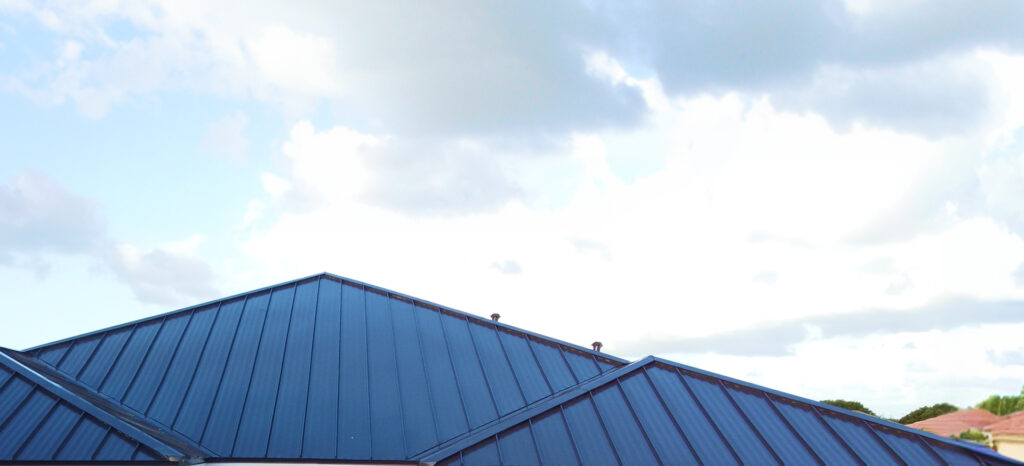
Metal roofing is known for its durability and long lifespan.
- Can last 40 to 80 years
- Reflects heat and improves energy efficiency
- Requires little maintenance
Clay and Concrete Tile Roofing
These materials are popular in warm climates.
- Very durable and weather-resistant
- Helps keep homes cooler
- Heavier than other materials
Slate Roofing
Slate is a natural stone material known for its strength.
- Extremely long lifespan
- Elegant and premium look
- Higher cost and requires strong structural support
Wood Shingles and Shakes
These provide a natural and rustic appearance.
- Unique aesthetic appeal
- Requires more maintenance than other materials
Flat Roofing Membranes (TPO, PVC, EPDM)
Used for flat or low-slope roofs.
- Designed for waterproofing
- Energy-efficient options available
- Common in modern homes
Residential Roofing Comparison (Cost, Lifespan & Performance)
When comparing types of residential roofing, it helps to look at the bigger picture:
- Cost: Asphalt shingles are the most affordable, while slate and metal are higher investments
- Lifespan: Metal and slate last the longest
- Maintenance: Flat roofs need more upkeep
- Performance: Some materials handle heat, rain, or wind better than others
Choosing the right balance between cost and durability is key.
How to Choose the Best Type of Residential Roofing
Consider Your Climate
Weather conditions should guide your decision.
- Hot climates → tile or metal roofing
- Storm-prone areas → hip roofs or metal
- Rainy areas → sloped roofs for better drainage
Consider Your Budget
Think about both upfront cost and long-term value.
- Lower budget → asphalt shingles
- Long-term investment → metal or tile
Consider Durability and Lifespan
Some roofs last much longer than others.
- Short-term solution → shingles
- Long-term durability → metal or slate
Consider Home Style and Modern Design
Your roof should match your home’s look.
Modern homes often use:
- Flat roofs
- Skillion designs
- Metal materials
- Neutral colors like gray or black
Want an exact estimate for your home?
Request a quote to see real numbers based on your roof and budget.
Best Types of Residential Roofing for Modern Homes
Modern homes focus on clean lines and simple design. The best roofing options support that style while still offering strong performance.
Top choices include:
- Flat roofs for a sleek appearance
- Skillion roofs for a bold design
- Metal roofing for durability and a modern finish
These options combine appearance and function without making your home look outdated.
Common Mistakes to Avoid When Choosing a Roof
Many homeowners make avoidable mistakes such as:
- Choosing the cheapest option without thinking long-term
- Ignoring climate and weather conditions
- Mixing styles that do not match the home
- Hiring unqualified installers
Avoiding these mistakes can save time, money, and stress.
Why Professional Roofing Installation Matters
Even the best materials will not perform well if they are installed incorrectly.
Professional installation helps:
- Extend the lifespan of your roof
- Prevent leaks and structural issues
- Protect your investment
Why Choose Anchor Up Roofing for Residential Roofing
Choosing a roofing contractor is just as important as choosing the right roof. You need a team that understands your home, your needs, and your local environment.
Anchor Up Roofing provides residential roofing solutions designed for long-term performance and reliability.
What sets us apart:
- Years of experience in residential roofing
- Skilled professionals trained in modern and traditional roof systems
- High-quality materials built for durability
- Strong understanding of Florida weather conditions
- Focus on long-term results, not quick fixes
- Commitment to customer satisfaction
Anchor Up Roofing proudly serves homeowners in Hialeah and nearby cities, helping families protect and improve their homes with dependable roofing solutions.
Get Expert Help Choosing the Right Residential Roof
Choosing between different types of residential roofing does not have to be difficult. With the right guidance, you can make a confident decision that fits your home and budget.
If you are planning a new roof or replacing an existing one, Anchor Up Roofing in Hialeah, FL is ready to help.
Contact Anchor Up Roofing today to schedule your consultation and get started on your residential roofing project.