
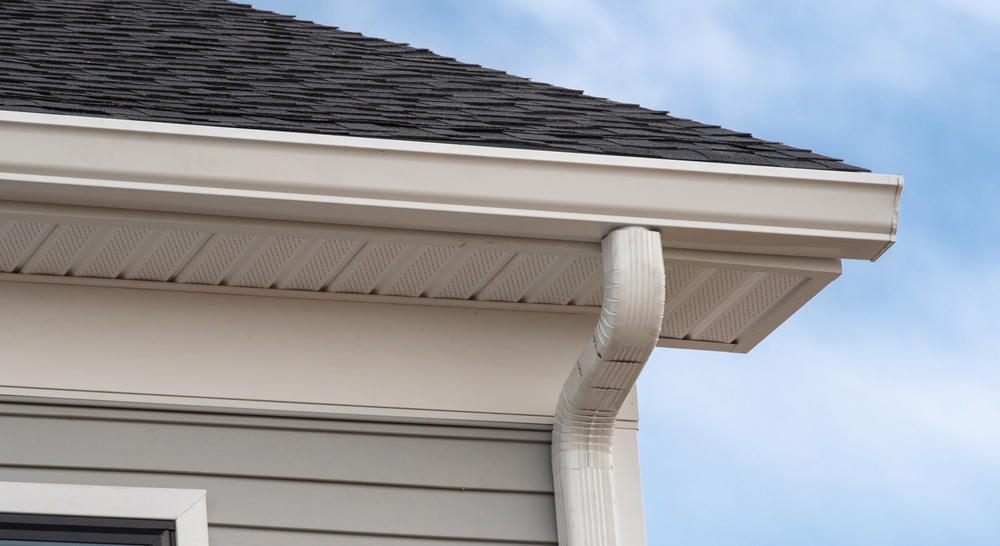
Rain gutters protect your home by guiding rainwater away from the roof and foundation. Without the right system, water can pool around your home, damage siding, or even weaken the foundation over time. There are several types of gutters available today, and each one works a little differently depending on the style of the home, the amount of rainfall, and the materials used.
Key Takeaways: Types of Gutters Homeowners Should Know
- The most common types of gutters for residential homes include K-style, half-round, box, fascia, seamless, sectional, vinyl, aluminum, steel, and copper gutters.
- K-style gutters are the most widely used option because they hold a large amount of water and match modern home designs.
- Seamless gutters reduce the risk of leaks because they are made from one continuous piece of material.
- Aluminum gutters are the most popular material due to their balance of cost, durability, and resistance to rust.
- Copper and zinc gutters are premium options that can last several decades.
- Choosing the best gutter system depends on roof size, local weather, budget, and the look of your home.
- Professional installation helps ensure proper drainage and prevents long-term water damage.
How Rain Gutter Systems Protect Your Home
A rain gutter system is more than just a channel along the roof. Several parts work together to collect and move water safely away from your house.
What a Complete Gutter System Includes
Most systems include:
- Gutters: Horizontal channels that catch rainwater from the roof
- Downspouts: Vertical pipes that move water down to the ground
- End caps: Seal the ends of the gutter to stop leaks
- Hangers and brackets: Secure the gutters to the roofline
- Optional gutter guards: Screens that help keep leaves and debris out
Why Proper Gutters Matter for Your Home
When gutters are installed correctly, they help prevent common problems such as:
- Water damage around the foundation
- Soil erosion around landscaping
- Stains and damage on siding
- Basement flooding during heavy rain
- Roof drainage issues
Need help choosing the right gutter system?
Anchor Up Roofing can evaluate your home and recommend the best solution for reliable water protection.
10 Types of Rain Gutter Systems for Homes
There are many types of gutters available. Some differ in shape, while others vary based on the material or installation method.
1. K-Style Gutters
K-style gutters are the most common choice for residential homes. Their flat back sits neatly against the fascia board, while the front edge has a decorative shape that resembles crown molding.
Benefits include:
- High water capacity
- Strong structure
- Matches modern and traditional homes
Because they can hold more water than many other designs, K-style gutters work well in areas with heavy rain.
2. Half-Round Gutters
Half-round gutters have a smooth, rounded shape that looks like a tube cut in half.
Homeowners choose them because they:
- Provide a classic look for historic homes
- Allow water and debris to flow easily
- Reduce buildup inside the gutter
They hold slightly less water than K-style gutters but are often preferred for traditional architecture.
3. Box Gutters
Box gutters are built directly into the structure of the roof instead of attaching to the outside edge.
They are known for:
- Large water capacity
- Clean appearance since they are hidden in the roofline
- Strong performance for large roof areas
Because installation is complex, they are usually installed during new roof construction or major renovations.
4. Fascia Gutters
Fascia gutters replace the fascia board and act as both a gutter and part of the roof structure.
Advantages include:
- Seamless appearance
- Custom design for the roofline
- Strong and durable construction
These systems are often used on modern homes that focus on a clean architectural look.
5. Seamless Gutters
Seamless gutters are made from a single continuous piece of material that is custom-cut to fit your home.
Homeowners like them because they:
- Reduce the number of joints where leaks can happen
- Require less maintenance
- Provide a smooth and uniform appearance
Most seamless gutters are made from aluminum and require professional installation.
6. Sectional (Seamed) Gutters
Sectional gutters are built from multiple pieces connected together along the roofline.
Benefits include:
- Lower upfront cost
- Easier repairs since sections can be replaced individually
- Available in many materials
However, the seams can become weak points where leaks develop over time.
7. Vinyl Gutters
Vinyl gutters are lightweight plastic systems often used for simple installations.
Reasons homeowners choose them:
- Affordable material
- Rust-resistant
- Easy to install
They work best in moderate climates, since extreme temperatures can cause cracking or warping.
8. Aluminum Gutters
Aluminum is the most widely used gutter material in residential construction.
Advantages include:
- Rust resistance
- Lightweight construction
- Available in many colors
- Compatible with seamless gutter systems
Many professionally installed gutter systems today use aluminum because it offers strong performance at a reasonable cost.
9. Steel Gutters
Steel gutters are known for their strength and durability.
Key features include:
- High resistance to dents and impact
- Good performance in heavy rainfall
- Long lifespan with proper maintenance
Galvanized steel versions include a protective coating to help reduce rust.
10. Copper or Zinc Gutters
Copper and zinc gutters are premium materials that are often chosen for luxury homes or historic properties.
Benefits include:
- Extremely long lifespan
- Natural resistance to corrosion
- Unique appearance that develops a natural patina over time
These systems cost more initially but can last several decades with minimal maintenance.
How to Choose the Best Type of Gutters for Your Home
Selecting the right gutter system involves several important factors.
Consider Your Home’s Architecture
Different homes look better with certain gutter styles.
For example:
- Modern homes often use K-style or fascia gutters
- Historic homes often use half-round gutters
- Large roofs may require box gutters
Consider Your Local Climate
Weather plays a major role in gutter performance.
Homes in rainy areas may benefit from:
- High-capacity gutter styles
- Seamless installation
- Durable materials like aluminum or steel
Consider Installation and Maintenance
Some gutter systems require professional installation while others can be installed in sections.
Think about:
- Maintenance requirements
- Cleaning frequency
- Repair costs over time
Consider Budget and Lifespan
Gutters come in a wide price range depending on the material.
Typical lifespan examples:
- Vinyl gutters: 10–20 years
- Aluminum gutters: 20–30 years
- Copper gutters: up to 100 years
A higher upfront investment can sometimes lead to better long-term value.

Expert Gutter Installation & Maintenance
From seamless aluminum to heavy-duty copper,
Anchor Up Roofing installs systems designed for Florida’s toughest downpours.
Signs It’s Time to Install or Replace Your Gutters
Gutters do not last forever. Over time they may begin to fail or stop draining water properly.
Common warning signs include:
- Sagging gutters
- Frequent leaks or water dripping from seams
- Rust spots or visible corrosion
- Water pooling near the foundation
- Gutters pulling away from the roofline
If you notice these problems, it may be time to replace the system.
Schedule a professional inspection with Anchor Up Roofing to determine if your gutters need repair or replacement.
Why Professional Rain Gutter Installation Matters
Even the best gutter system will not perform well if it is installed incorrectly.
Professional installation helps ensure:
- Correct slope so water flows properly
- Secure attachment to the roofline
- Proper sizing for your roof area
- Long-term durability and leak prevention
Working with experienced installers helps protect your home from costly water damage.
Why Choose Anchor Up Roofing for Rain Gutter Installation in Miami, FL
Installing gutters is about more than attaching metal to the roof. A properly installed system protects your foundation, siding, and landscaping from water damage. At Anchor Up Roofing, our team focuses on reliable rain gutter installation that is built to handle Florida’s heavy rain and storm conditions.
Homeowners trust our team because we provide careful workmanship, clear communication, and solutions that fit each home.
Why homeowners choose Anchor Up Roofing:
- Experienced roofing and gutter specialists with years of hands-on installation experience
- High-quality gutter systems designed for Florida weather
- Professional inspections to determine the right gutter style for each home
- Licensed and insured roofing professionals
- Strong reputation for reliable workmanship and customer care
- Local company focused on long-term home protection
We proudly serve homeowners in Miami and nearby communities including Miami Lakes, Doral, Miami Gardens, and Hialeah Gardens.
Final Thoughts on Choosing the Right Types of Gutters
Understanding the different types of gutters helps homeowners make better decisions about protecting their property. The right gutter system can prevent water damage, improve drainage, and extend the life of your roof and foundation.
If you are unsure which gutter system is best for your home, a professional evaluation can make the decision much easier.
Need Rain Gutter Installation in Miami, FL?
If you are looking for dependable rain gutter installation in Miami, FL, the team at Anchor Up Roofing is ready to help. We install durable gutter systems designed to protect homes from heavy rain and long-term water damage.
Contact Anchor Up Roofing in Miami, FL today to schedule a consultation and find the best gutter system for your home.