

A residential roofing inspection is something most homeowners don’t think about until there’s a problem. The truth is, your roof can have hidden issues long before you see a leak or damage inside your home.
Knowing when to schedule a residential roofing inspection helps you avoid expensive repairs, extend the life of your roof, and keep your home protected year-round. In this guide, you’ll learn the right timing, the warning signs to watch for, and how a simple inspection can save you money and stress.
What Is a Residential Roofing Inspection?
A residential roofing inspection is a professional checkup of your roof’s condition. It helps identify any damage, wear, or potential issues before they turn into bigger problems.
During an inspection, a roofing professional looks at:
- Shingles and roofing materials
- Flashing around vents and chimneys
- Gutters and drainage systems
- Roof structure and decking
- Attic ventilation and insulation
An inspection does not mean you have to commit to repairs. It simply gives you a clear understanding of your roof’s condition and what steps, if any, are needed.
Why Residential Roofing Inspections Are Important
- Early detection prevents expensive repairs: Small problems like a loose shingle can turn into major leaks if ignored. Catching issues early keeps repair costs low.
- Protects against hidden structural damage: Not all damage is visible from the ground. Moisture, mold, and rot can build up over time without obvious signs.
- Extends the lifespan of your roof: Routine inspections help your roof last longer by addressing wear before it becomes severe.
- Improves energy efficiency and indoor comfort: Poor ventilation or insulation can make your home hotter or colder than it should be, increasing energy bills.
- Supports insurance claims and property value: Having inspection records can help with insurance claims and make your home more attractive to buyers.
Not sure about your roof’s condition? A quick inspection can give you peace of mind before small issues turn into costly repairs.
When Should You Schedule a Residential Roofing Inspection?
After Severe Weather or Storm Events
Storms can cause damage that is not easy to see.
Schedule an inspection after:
- Strong winds
- Hailstorms
- Heavy rain
- Falling branches or debris
A professional inspection can:
- Detect hidden damage beneath shingles
- Prevent small issues from turning into leaks
- Help document damage for insurance claims
Annually for Preventive Maintenance
Even if everything looks fine, a yearly inspection helps keep your roof in good shape.
Routine inspections help:
- Catch minor issues early
- Maintain your roof’s performance
- Extend the overall lifespan of your roofing system
When Your Roof Is 10–15+ Years Old
As your roof ages, materials start to weaken.
An inspection can:
- Identify aging areas
- Help you plan future repairs
- Prevent unexpected failures
Older roofs benefit from:
- Better planning for replacement if needed
- More frequent monitoring
- Early detection of wear and tear
Before Buying or Selling a Home
An inspection provides clarity and avoids surprises during the process.
For buyers and sellers, it can:
- Reveal the true condition of the roof
- Prevent delays during negotiations
- Provide documentation for transparency
After Major Renovations or Repairs
Changes to your home can affect your roof’s structure or ventilation.
An inspection helps:
- Catch any issues caused during construction
- Ensure everything is properly sealed
- Confirm ventilation is working correctly
When You Notice Early Warning Signs
If something looks off, it is better to check sooner rather than later.
Common warning signs include:
- Missing or damaged shingles
- Water stains inside your home
- Sagging or uneven areas
- Debris or granules in gutters
Addressing these signs early can prevent costly repairs and protect your home from further damage
Contact Anchor Up Roofing
If any of these situations apply to you, scheduling a residential roofing inspection now can prevent bigger problems later.
The Best Time of Year for a Residential Roofing Inspection
Fall (Primary Inspection Season)
Fall is the best time because:
- Weather is stable
- You can prepare for storms or colder months
Spring (Secondary Inspection Window)
Spring inspections help:
- Check for winter damage
- Prepare for heat and storms
Post-Storm Inspections (Any Time of Year)
After severe weather, inspections should be done within 48 to 72 hours.
Times to Avoid Scheduling
- Extreme summer heat
- Freezing winter conditions
When You Might NOT Need a Residential Roofing Inspection
- Your roof is new and problem-free: If your roof is less than five years old and there are no visible issues, it is usually still performing as expected and may not need an inspection yet.
- No recent weather events or visible issues: If there have been no storms, damage, or changes in your roof’s condition, it is reasonable to wait until your next scheduled inspection.
- You recently had a professional inspection: If your roof was checked not long ago and no concerns were found, there is typically no need to schedule another inspection right away.
8 Signs You Need a Residential Roofing Inspection
- Missing, cracked, or curling shingles
- Water stains on ceilings or walls
- Granules in gutters or downspouts
- Moss, algae, or mold growth
- Rising energy bills or poor ventilation
- Sagging or uneven roof lines
- Visible storm damage
- General wear and aging materials
Seeing any of these signs? A professional inspection can confirm the issue before it gets worse.
What Happens During a Professional Roof Inspection?
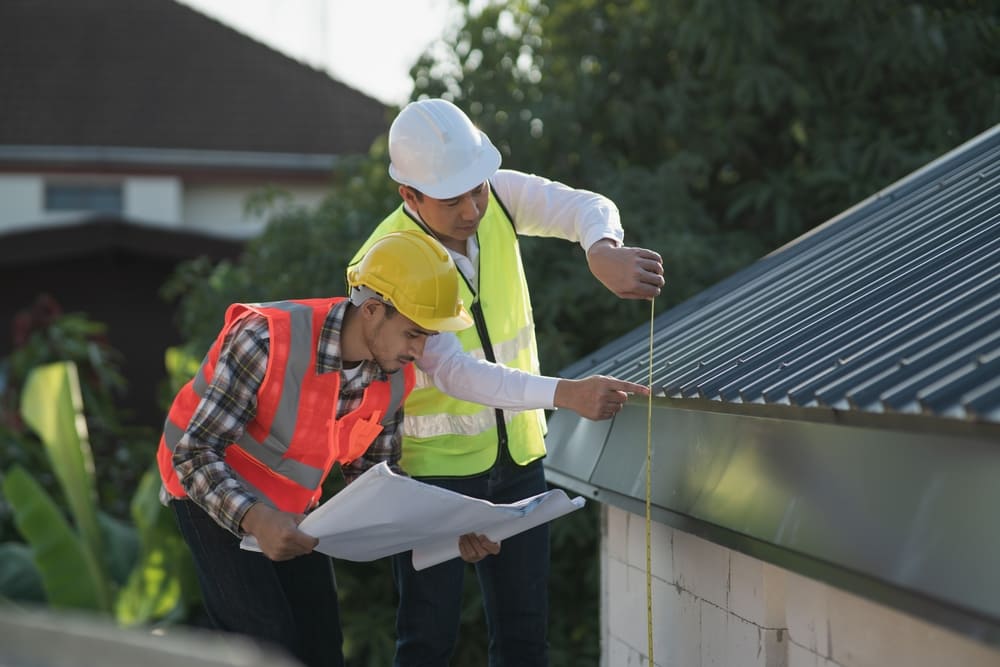
- Your shingles and roof surface are carefully checked for wear and damage
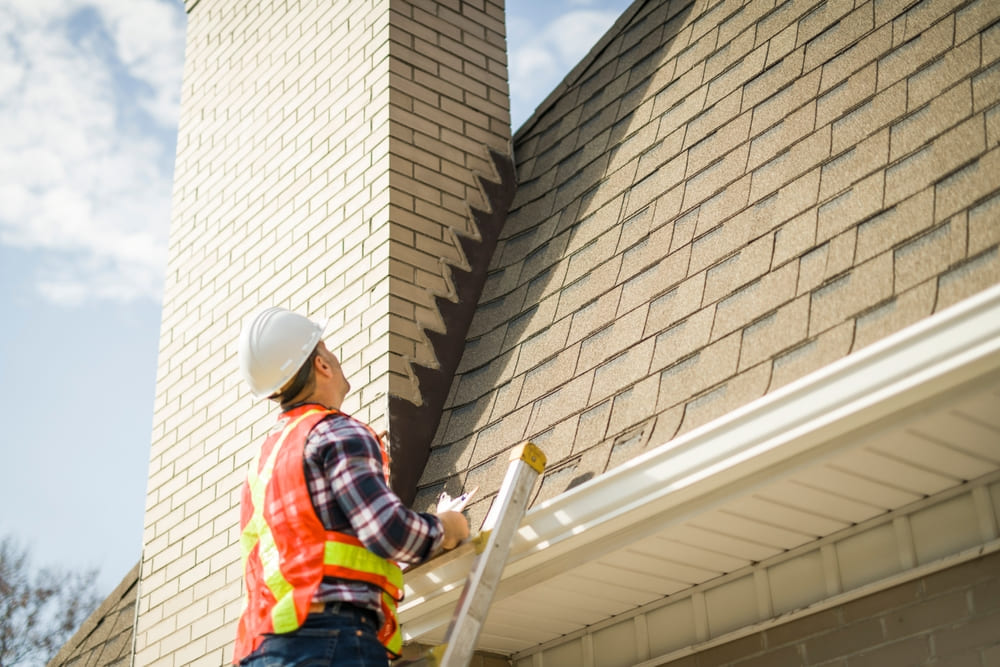
- Flashing around vents, chimneys, and edges is examined for weak spots
- Seals and joints are reviewed to help prevent water from getting in
- Attic airflow is evaluated to support proper ventilation
- Insulation is checked to make sure it’s doing its job
- Signs of moisture or hidden leaks are identified early
- The roof structure is assessed to ensure it remains strong and stable
- Gutters and drainage are reviewed to keep water flowing away properly
Common Mistakes Homeowners Make With Roof Inspections
- Waiting until damage is visible often leads to higher repair costs
- Scheduling inspections at the wrong time can limit how effective they are
- Skipping inspections on older roofs increases the risk of hidden issues
- Only reacting after problems appear makes repairs more expensive than prevention
Why Choose Anchor Up Roofing for Residential Roofing Services
Choosing the right roofing company matters. A proper inspection requires experience, attention to detail, and honest recommendations you can trust.
At Anchor Up Roofing, we focus on providing clear answers and reliable service so you can make the best decision for your home.
- Years of hands-on experience in residential roofing
- Skilled professionals trained in detailed roof inspections
- Trusted by homeowners for honest, no-pressure guidance
- High-quality standards backed by industry best practices
- Recognition for service excellence and customer satisfaction
We proudly serve homeowners in Hialeah, FL, and nearby areas, providing dependable residential roofing services tailored to local conditions.
Schedule Your Residential Roofing Inspection Today
A small issue today can turn into a major repair tomorrow. Scheduling a residential roofing inspection now helps you stay ahead of problems and protect your home.
If you are in Hialeah, FL, Anchor Up Roofing is ready to help with professional, reliable inspections you can trust.
Contact Anchor Up Roofing today to schedule your residential roofing inspection and keep your home safe and protected.