
Why Roof Insulation Is One of the Smartest Home Upgrades You Can Make
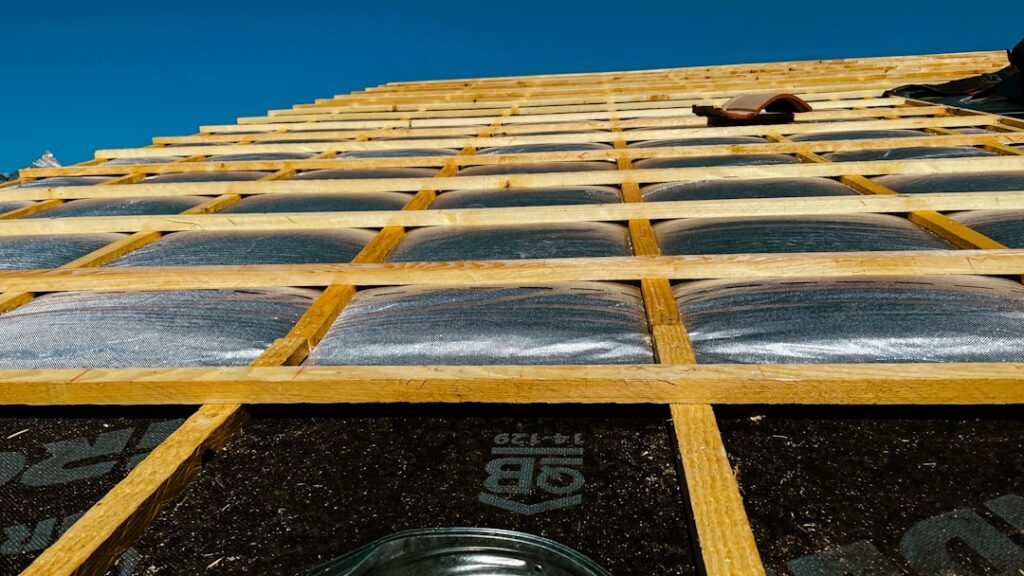
Roof insulation is the material installed in your attic or roof assembly that slows heat from moving in or out of your home. Here’s a quick overview of what you need to know:
| Topic | Quick Answer |
|---|---|
| What it does | Reduces heat gain in summer, heat loss in winter |
| How much heat is lost through the roof | Up to 25% of a home’s total heat loss |
| Potential energy savings | Significant reduction in heating and cooling costs |
| Recommended R-value (attic) | R-30 to R-60 depending on your climate zone |
| Most common types | Spray foam, fiberglass batts, blown-in, rigid foam boards |
| Best option for South Florida | Reflective and high-R materials suited to hot, humid climates |
If you live in Florida, you already know what a brutal summer feels like inside a poorly insulated home. Your air conditioner runs constantly, your energy bills climb, and some rooms never quite cool down no matter what you do. The problem often isn’t your HVAC system — it’s what’s happening above your ceiling.
A properly insulated roof acts as a thermal barrier between the scorching outdoor heat and your living space. Without it, heat pours straight through your roof deck and into your home. With it, your home stays cooler longer, your AC works less, and you spend less every month.
In June 2026, energy efficiency is more important than ever for Florida homeowners — and your roof is one of the best places to start.
I’m Oscar Perez, founder of Anchor Up Roofing, a veteran-owned roofing company serving South Florida homeowners across Miami-Dade, Broward, and Palm Beach counties, with years of hands-on experience helping homeowners choose and install the right roof insulation systems for Florida’s demanding climate. In the guide below, I’ll walk you through everything you need to make a confident, informed decision.
How Proper Attic Insulation Impacts Home Comfort
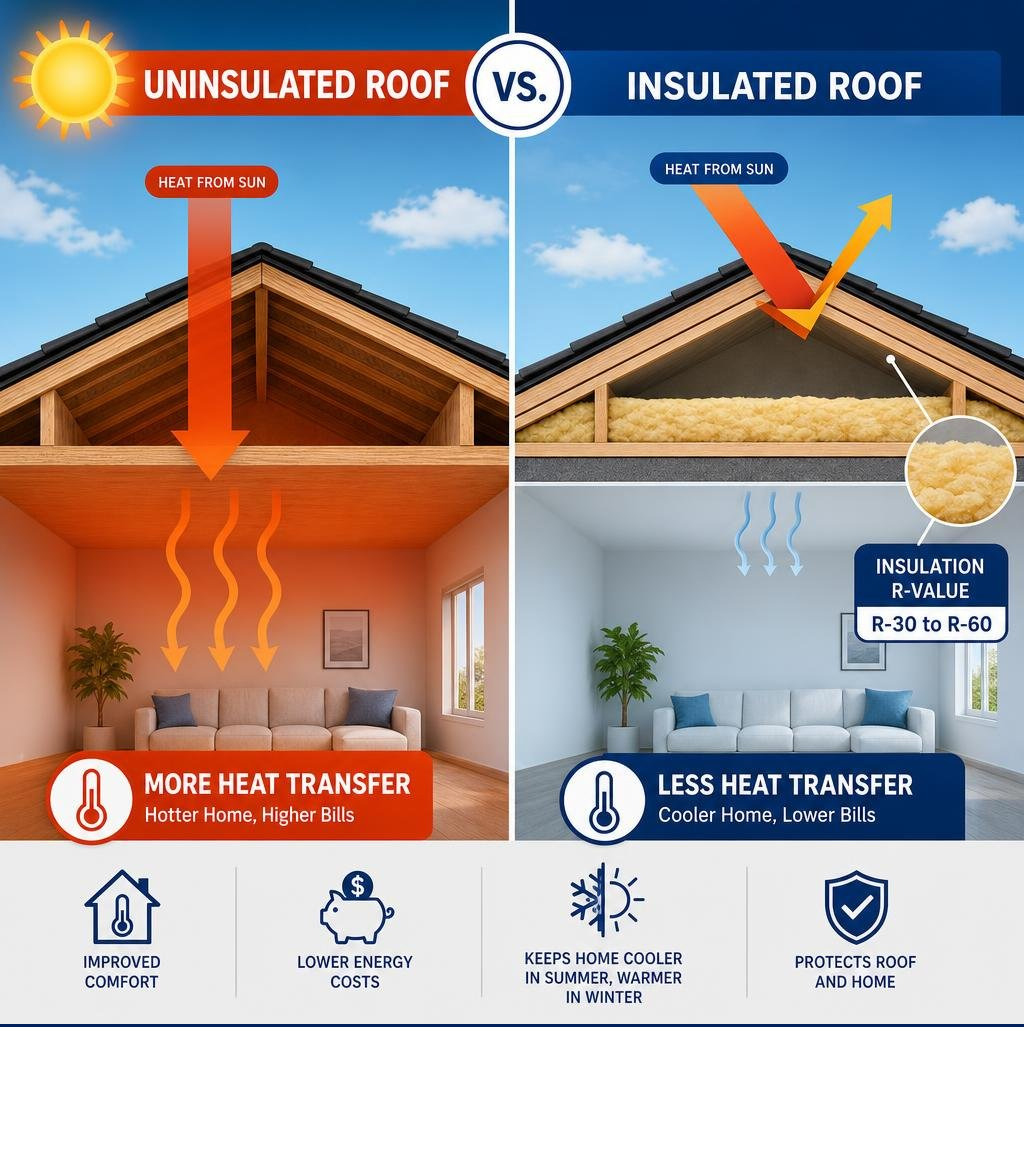
To understand how insulation works, we have to look at the science of heat transfer. Heat naturally moves from warmer spaces to cooler spaces. In the summer, the sun beats down on your roof, heating your attic to temperatures that can easily exceed 130°F. This heat then radiates downward through your ceiling and into your living areas.
In the winter, the process reverses: the warmth you pay to generate inside your home escapes upward into your cold attic. In fact, attics are responsible for up to 25% of a home’s total heat loss. This constant exchange forces your HVAC system into overdrive, resulting in high energy bills and uneven indoor temperatures.
Proper roof insulation breaks this cycle by providing thermal resistance. It slows the movement of heat, keeping your indoor temperatures stable and reducing the workload on your air conditioner. To maximize this effect, many homeowners combine high-quality insulation with energy-efficient roofing materials. For instance, you might wonder, Does Metal Roofing Improve Home Energy Efficiency? Yes, metal roofs reflect solar radiation, which works hand-in-hand with attic insulation to keep your home cool.
Similarly, understanding The Science of Cool and Why Your Home Needs Heat-Proof Tiles can help you design a complete thermal envelope. When you pair high-thermal-mass tiles or reflective metal with robust attic insulation, you create a powerful defense against Florida’s intense climate.
Signs Your Home Needs an Insulation Upgrade
If you aren’t sure whether your current insulation is doing its job, look out for these common warning signs:
- Uneven Temperatures: If your living room feels like an icebox but your bedrooms feel like a sauna, your attic insulation may be thin or unevenly distributed.
- High Utility Bills: A sudden or steady increase in your cooling costs often means your HVAC system is fighting a losing battle against heat entering through the roof.
- Drafty Rooms: Poor insulation allows air currents to move freely through wall and ceiling cavities, creating noticeable drafts.
- Visible Sagging or Compression: Over time, materials like fiberglass can settle, compress, or sustain water damage, drastically reducing their effectiveness.
Comparing the Best Roof Insulation Materials
When planning an insulation project, choosing the right material is key. Insulation performance is measured by “R-value,” which rates a material’s thermal resistance per inch of thickness. The higher the R-value, the better the material is at stopping heat transfer.
Here is a quick comparison of the most common materials used today:
| Material Type | Average R-Value per Inch | Pros | Cons | Best Used For |
|---|---|---|---|---|
| Fiberglass Batts | 3.1 to 4.3 | Budget-friendly, easy DIY installation, widely available | Can sag over time, susceptible to moisture and pests | Standard pitched roofs, joist bays |
| Blown-In Cellulose | 3.2 to 3.8 | Fills hard-to-reach gaps, eco-friendly (recycled paper) | Can settle over time, requires specialized blower | Attic floors, retrofitting older homes |
| Spray Foam (Closed-Cell) | 6.0 to 7.0 | Highest R-value, acts as an air and moisture barrier | Costly, requires professional installation | Unvented attics, cathedral ceilings |
| Polyisocyanurate (Polyiso) | 5.0 to 5.6 | Excellent thermal performance, high compressive strength | Performs less effectively in extreme cold | Flat roofs, commercial applications |
Selecting the Right R-Value for Your Roof Insulation
The amount of insulation you need depends largely on where you live. The U.S. Department of Energy divides the country into distinct climate zones to guide insulation requirements.
For homeowners in South Florida (including Miami, Fort Myers, Naples, and Homestead), we fall into Climate Zone 1 or Zone 2. In these warm, humid environments, the building codes and Energy Star guidelines recommend attic insulation levels between R-30 and R-60.
If you are retrofitting an existing wood-framed home that currently has little to no insulation, aiming for at least R-30 is a great baseline to significantly cut down your cooling bills. This baseline helps ensure your home meets modern efficiency standards and remains comfortable throughout the year.
Spray Foam vs. Fiberglass and Traditional Batts
For many pitched roofs, the choice comes down to a classic matchup: spray foam versus traditional fiberglass.
Fiberglass batts are pre-cut blankets of glass fibers designed to fit snugly between attic joists or rafters. They are highly cost-effective and a popular choice for straightforward DIY projects. However, fiberglass does not seal air leaks. If there are gaps around your light fixtures or pipes, hot air will still bypass the fiberglass and heat your home.
Spray foam, on the other hand, is sprayed as a liquid and expands to fill every crack, crevice, and void. This creates an airtight seal that blocks both heat and humidity. Closed-cell spray foam also adds structural strength to your roof deck, which is a major benefit during hurricane season in South Florida. To explore this comparison in detail, take a look at our guide on Spray Foam Insulation vs Fiberglass.
If you are looking for local assistance or want to explore regional programs, there are local programs like Free attic insulation for renters & homeowners – Catalyst Miami that help eligible residents upgrade their homes.
Rigid Foam Boards and Cover Boards for Flat Roofs
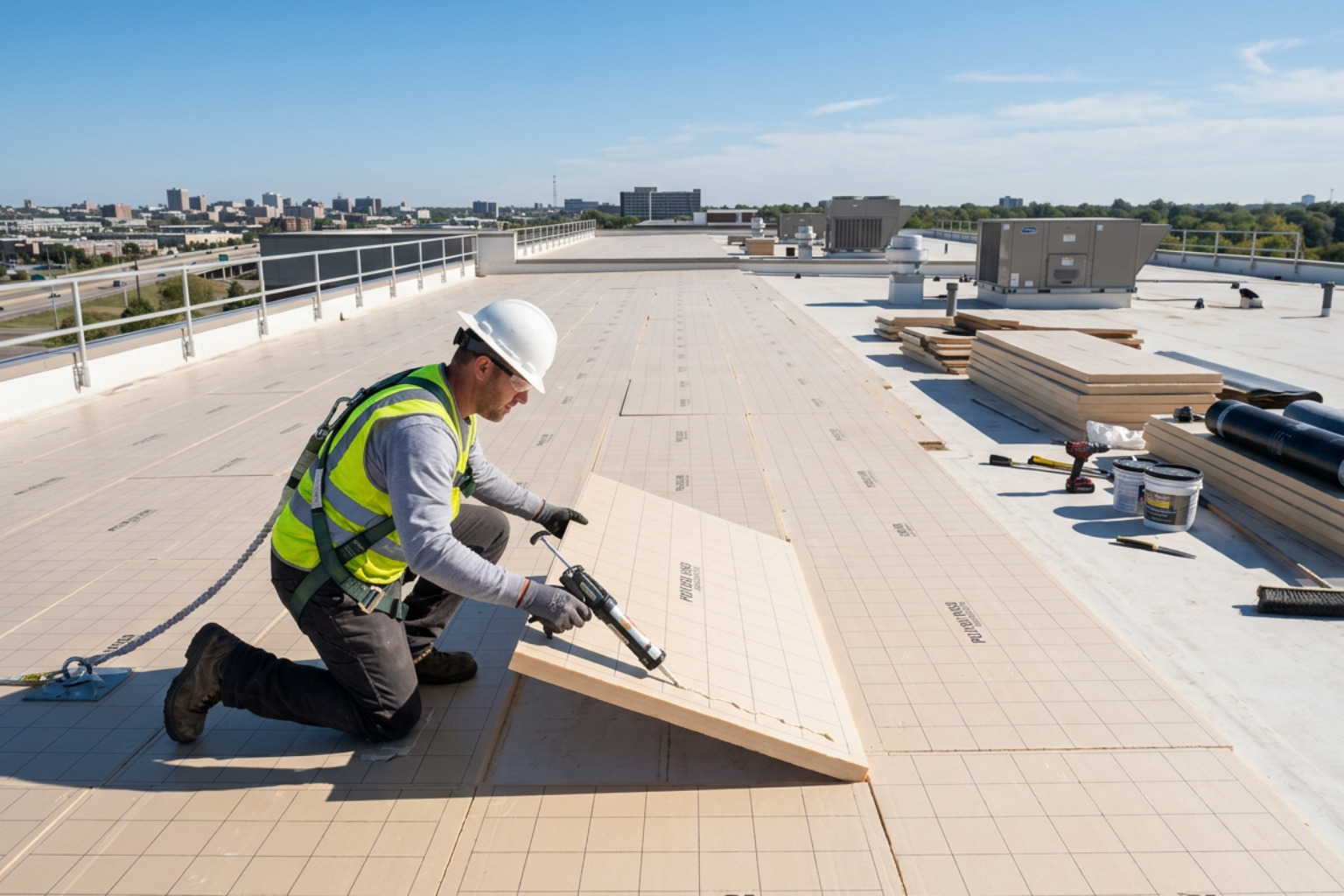
Flat and low-slope roofs require a completely different approach to insulation. Because there is no attic space to fill, insulation must be installed directly on top of the roof deck, beneath the waterproofing membrane.
For these systems, rigid foam boards — specifically Polyisocyanurate (Polyiso) — are the gold standard. Polyiso provides excellent thermal resistance per inch of thickness and boasts high compressive strength, allowing it to support the weight of maintenance workers and equipment.
When installing flat roof insulation, using high-quality boards makes a world of difference. For instance, products like the Kingspan Thermaroof TR24 PIR Flat Roof Insulation Board 1200mm X 600mm X 130mm – Pack of 3 Sheets | Insulation Superstore® are highly compatible with bituminous waterproofing systems. For thinner profiles or multi-layered setups, the TR27 Flat Roof Insulation by Kingspan Thermaroof 25mm – 8.64m2 Pack | Insulation Superstore® is an excellent choice for single-ply membranes, providing reliable moisture resistance and thermal performance.
Inside vs. Outside: Where to Install Your Insulation
One of the most common questions we get from building owners is whether insulation should be installed from the inside (under the roof deck) or from the outside (on top of the roof deck).
- Interior Installation (Attic Floor or Rafters): This is the traditional residential method. Insulation is placed on the attic floor to keep the heat in the attic and out of your living spaces. Alternatively, you can insulate between the rafters to create a conditioned attic space. If you are working with pitched roofs, you can learn more about managing these setups from the Rafter Insulation | ROCKWOOL Group resource page.
- Exterior Installation (On top of the Deck): This is the standard for flat and low-slope roofs, particularly in commercial properties. Rigid foam boards are laid directly over the roof decking, followed by a cover board and the final roofing membrane. If you manage a commercial property, keeping up with a Commercial Roof Inspection Checklist is essential to ensure that your exterior insulation and membrane remain free of punctures or water intrusion.
Best Practices for Installing Roof Insulation to Prevent Moisture
In South Florida’s humid climate, moisture control is just as important as temperature control. If warm, humid air comes into contact with a cold surface in your attic, it will condense into water droplets, leading to mold, mildew, and wood rot.
To prevent this, follow these best practices:
- Air Sealing: Before laying down any insulation, seal all gaps, cracks, and penetrations around light fixtures, pipes, and chimneys using high-quality caulk or expanding foam.
- Proper Ventilation: Ensure your attic has a continuous flow of fresh air. This is typically achieved using a combination of soffit vents (intake) and ridge vents (exhaust). Never cover your soffit vents with insulation; use baffles to keep the airways clear.
- Vapor Barriers: In hot and humid climates, vapor barriers must be carefully placed to prevent moisture from migrating into the insulation assembly. For detailed step-by-step instructions on keeping your insulation dry and compliant with building standards, consult this comprehensive Installation Guide .
DIY vs. Professional Installation
While rolling out fiberglass batts on an attic floor is a project many handy homeowners can tackle over a weekend, larger or more complex insulation jobs are best left to professionals.
- The DIY Route: Best for simple attic floor top-ups using fiberglass batts. It is budget-friendly, but you must wear proper personal protective equipment (PPE), including gloves, goggles, and a respiratory mask. Be extremely careful where you step to avoid falling through your ceiling drywall!
- The Professional Route: Highly recommended for spray foam, blown-in cellulose, and flat roof rigid board systems. Professionals have the specialized safety gear, commercial-grade blowing machines, and spray rigs required for a flawless installation. They also ensure your project complies with local Florida building codes and preserves your manufacturer warranties.
If you are looking for local installation professionals or directories to get started in your specific area, you can browse local listings such as:
- THE BEST 10 INSULATION INSTALLATION IN NAPLES, FL – Yelp
- THE BEST 10 INSULATION INSTALLATION IN FORT MYERS, FL
Frequently Asked Questions
What is the most cost-effective insulation material?
Fiberglass batts and blown-in cellulose are generally the most cost-effective insulation materials. They offer a competitive R-value per inch and are relatively quick to install, making them highly budget-friendly options for homeowners looking to improve their energy efficiency without a major upfront investment.
Does adding insulation make a house hotter in the summer?
No. This is a common myth! Insulation is not a heater; it is a barrier. In the summer, adding insulation prevents the intense heat trapped in your attic from radiating down into your living spaces. This keeps your home cooler and significantly reduces your cooling bills.
How long does typical roof or attic insulation last?
Under ideal conditions, high-quality insulation can last for decades. Materials like stone wool and fiberglass can last the lifetime of the building as long as they stay dry. However, if your insulation suffers from water leaks, pest infestations, or physical compression, its lifespan will be cut short, and it will need to be replaced.
Conclusion
Upgrading your roof insulation is one of the most effective ways to lower your energy bills, reduce the strain on your air conditioner, and keep your home comfortable all year long. Whether you are dealing with a hot attic in Miami, retrofitting an older home in Fort Myers, or installing a new flat roof system on the West Coast of Florida, getting your insulation right is essential.
At Anchor Up Roofing, we are proud to be a retired veteran-owned business with over 20 years of experience helping homeowners across South Florida. We offer top-tier residential and commercial roofing services, hurricane-impact windows and doors, gutters, and professional insulation services. Backed by 5-star reviews and flexible financing options, we are here to help you protect your home.
Ready to improve your home’s comfort and start saving on your energy bills? Visit our Roof Insulation service page to learn more, or contact us today for a free consultation! You can also check out our main page at https://anchoruproofing.com/roof-insulation to explore our full range of services. Let’s get your home protected together!