
What Are Metal Roofs? A Quick Answer for Homeowners
Metal roofs are one of the fastest-growing roofing choices for homeowners across the United States — and for good reason. Before diving deep, here’s a quick snapshot of what you need to know:
| Feature | Metal Roof at a Glance |
|---|---|
| Lifespan | 40-70+ years |
| Wind resistance | Up to 160-180 mph |
| Fire rating | Class A (highest) |
| Hail rating | UL 2218 Class 4 (highest) |
| Energy savings | Up to 40% reduction in cooling costs |
| Home value boost | Up to 6% increase |
| Cost recoup | 85.9% to 95.5% of installation cost |
| Common styles | Standing seam, corrugated, stone-coated, ribbed, 5V crimp |
| Common materials | Steel, aluminum, copper, zinc |
Roofing is one of the most important decisions a homeowner makes — and in a state like Florida, it can mean the difference between a home that survives a hurricane and one that doesn’t. That’s why more homeowners are making the switch. According to the Metal Roofing Alliance, residential re-roofing demand for metal hit a record-high 18 percent market share in 2022, up six percent in just three years.
It’s not hard to see why. Metal roofs combine exceptional longevity, weather resistance, and energy efficiency in a way that traditional asphalt shingles simply can’t match. Whether you’re replacing an aging roof or building new, understanding your metal roofing options is the first step toward making a smart, long-term investment in your home.
I’m Oscar Perez, founder of Anchor Up Roofing and a retired veteran with years of hands-on experience installing metal roofs across South Florida — from Miami-Dade to the Gulf Coast. I’ve seen how the right metal roof transforms a home’s durability, energy performance, and curb appeal in one of the most demanding climates in the country.
Key Benefits and Weather Performance of Installing Metal Roofs
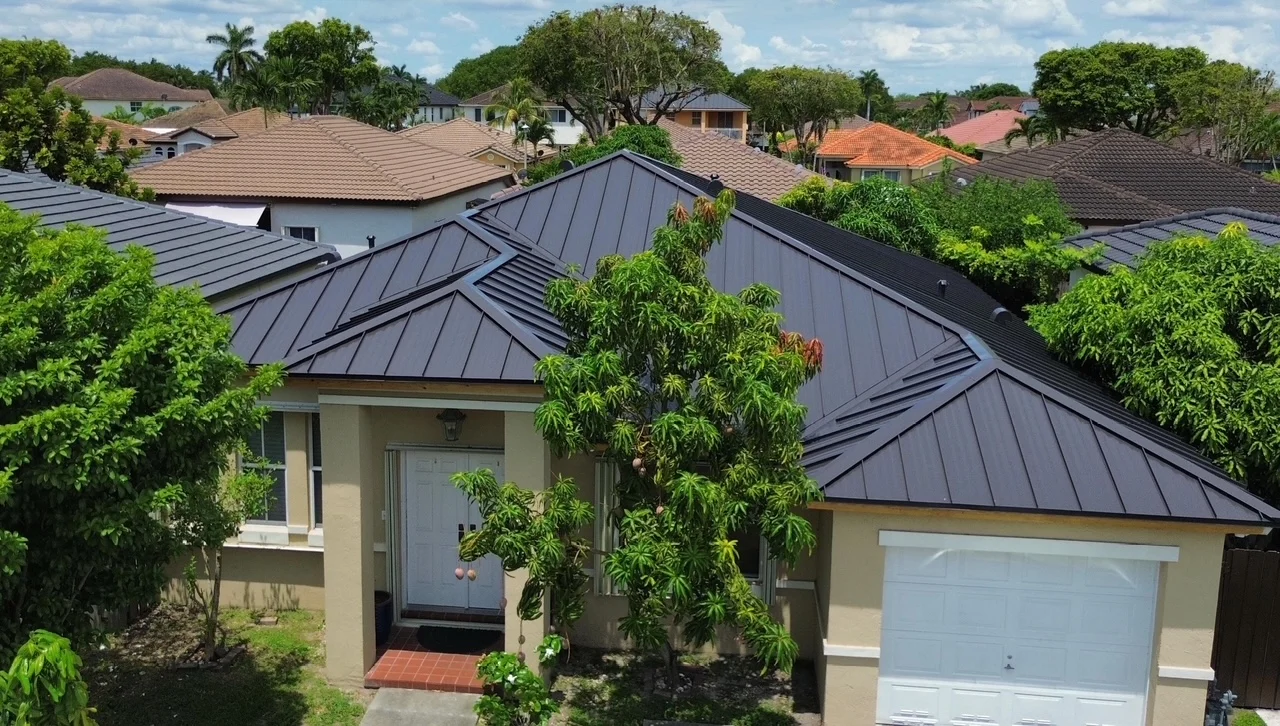
When you live in South Florida, your roof is your first line of defense against brutal tropical sun, high humidity, salt spray, and extreme storms. Investing in metal roofs offers a massive upgrade to your home’s structural integrity and daily comfort.
One of the most immediate advantages you will experience is superior energy efficiency. As we discuss in our detailed guide on Does Metal Roofing Improve Home Energy Efficiency, metal is naturally reflective. Instead of absorbing thermal energy from the sun like traditional asphalt shingles, a metal roof bounces a significant portion of solar radiation back into the atmosphere.
When treated with cool-roof coatings, these systems can reduce your home’s cooling costs by up to 40%. In cities like Hialeah, FL, Pembroke Pines, and Miami Springs, where air conditioners run almost year-round, this translates to massive monthly utility savings.
Beyond lowering your electric bill, metal provides unmatched protection against extreme weather. Let’s look at how they perform under pressure:
- Hurricane-Force Winds: Properly engineered metal roofing systems—especially standing seam panels—are rated to withstand wind gusts up to 160 to 180 mph. This easily meets or exceeds the strict Miami-Dade County Notice of Acceptance (NOA) requirements, which are the toughest building codes in the nation.
- Class A Fire Resistance: Metal is completely non-combustible. It carries a Class A fire rating, which is the highest level of protection available. If windblown embers from a nearby fire land on your roof, they simply burn out without igniting the structure.
- Hail and Impact Resistance: Most high-quality metal systems achieve a UL 2218 Class 4 impact rating. This means the panels can withstand being struck by large hailstones or flying storm debris without cracking or fracturing.
- Debris and Water Shedding: The smooth, interlocking surface of metal panels allows heavy tropical rain to drain away rapidly, preventing water pooling and reducing the risk of leaks.
When exploring the Benefits of a Metal Roof, it is clear that they offer a level of security that traditional materials cannot match. For a deeper dive into how this performance stacks up against other popular local options, check out our comparison on Metal vs Tile Roofing Which is Best for Florida Homes.
Lifespan and Durability of Metal Roofs
If you are tired of the endless cycle of roof repairs and replacements, a metal system is the ultimate solution. While traditional asphalt shingles typically have a lifespan of 15 to 25 years nationally—and often as little as 12 years in South Florida due to intense UV degradation—metal roofs regularly last 40 to 70 years or more.
This means that a metal roof can easily be the last roof you ever have to buy for your home.
Unlike organic or asphalt-based materials, metal does not curl, warp, split, or rot over time. It is also completely immune to termite damage and pest infestations. Furthermore, Florida’s high humidity often leads to unsightly blue-green algae staining on traditional shingles. Metal surfaces prevent this organic growth from taking hold, keeping your home’s curb appeal pristine for decades with minimal effort.
Weight Advantages of Metal Roofs
Many homeowners are surprised to learn that despite their extreme strength, metal roofs are incredibly lightweight.
Consider how metal compares to other common roofing materials:
- Metal Panels: Approximately 1.6 lbs. per square foot
- Asphalt Shingles: Around 4.3 lbs. per square foot
- Wood Shingles/Shakes: Around 4.5 lbs. per square foot
- Clay or Concrete Tile: A massive 6 to 11 lbs. per square foot
This low weight provides several structural advantages. First, it puts far less stress on your home’s framing and foundation over time. Second, it makes the installation process faster and safer for roofing crews.
In some cases, the lightweight nature of metal allows for a “roof-over” installation, where the new metal panels are installed directly over a single layer of existing asphalt shingles. While we generally recommend a complete tear-off to inspect the underlying wood deck for rot, a roof-over can save time and labor under the right conditions.
If you are curious about making this transition, read our guide on whether Can You Switch from Shingles to Metal Roofing.
Popular Styles, Materials, and Fastening Systems
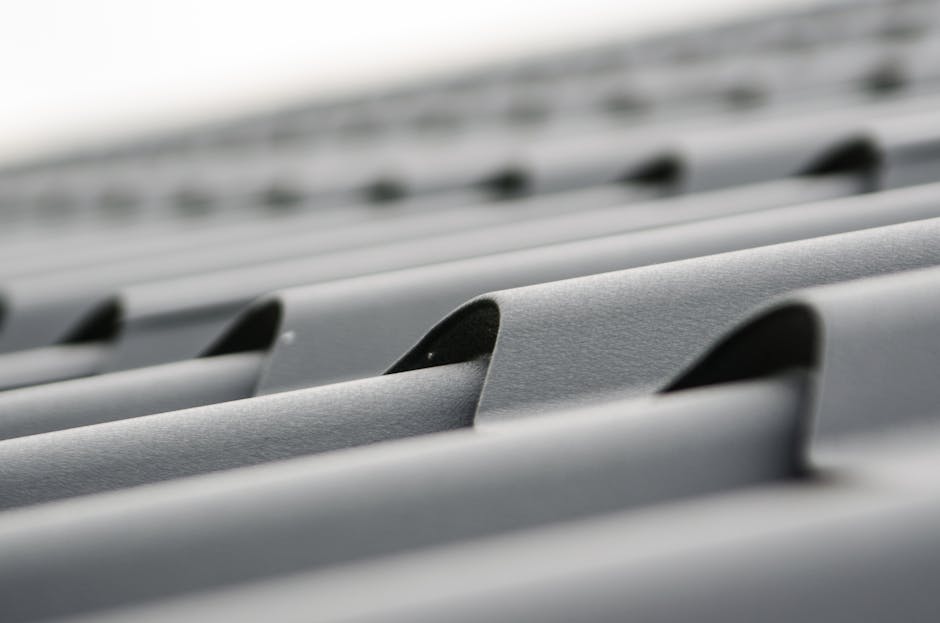
When selecting a metal roof, you are not limited to a single “industrial” look. Modern manufacturing allows for an incredible variety of styles, materials, and finishes to match any architectural design. To find the perfect fit for your property, read our breakdown of the Best Residential Metal Roofing Options.
Metal Roofing Materials
The metal alloy you choose will impact your roof’s durability, performance in coastal environments, and overall aesthetic:
- Steel: The most common residential choice. It is highly durable and cost-effective. To prevent rust, steel is coated in a protective alloy layer, creating either Galvanized steel (coated in zinc) or Galvalume steel (coated in an aluminum-zinc alloy). For maximum longevity, we recommend a Galvalume substrate finished with a premium Kynar 500 (PVDF) resin coating, which offers industry-leading resistance to color fading and chalking.
- Aluminum: The absolute gold standard for coastal South Florida locations like Miami FL, Naples, Doral, and Pembroke Pines. Aluminum is naturally rustproof and highly resistant to salt spray corrosion. It is lightweight, reflects heat exceptionally well, and is highly eco-friendly, often made from up to 95% recycled material.
- Copper: A luxury material with a lifespan that easily exceeds 100 years. Copper requires no painting or coating; over time, it oxidizes to form a beautiful, protective green patina. It also features natural antimicrobial properties that prevent algae and moss growth.
- Zinc: Highly durable and self-healing, zinc forms a protective gray patina over time. It is incredibly eco-friendly, requiring only a quarter of the energy to process compared to steel or copper, and is 100% recyclable.
Exposed vs. Concealed Fasteners
One of the most critical design decisions you will make is choosing between an exposed fastener system and a concealed fastener system. The choice impacts both the installation process and long-term maintenance requirements. For a complete look at how these systems are built, check out The Ultimate Beginner Guide to Metal Roof Construction.
| Feature | Exposed Fastener Systems (e.g., 5V Crimp, Ribbed) | Concealed Fastener Systems (Standing Seam) |
|---|---|---|
| Aesthetic | Traditional, rustic, or industrial look | Sleek, modern, clean architectural lines |
| Fastener Location | Screws penetrate through the face of the metal panel | Screws and clips are hidden beneath the overlapping seams |
| Weather Sealing | Relies on rubber neoprene washers on thousands of exposed screws | Superior; no penetrations on the flat surface of the panels |
| Thermal Movement | Restricted; panels are pinned tightly to the deck | Excellent; panels can expand and contract freely on sliding clips |
| Maintenance | Requires periodic inspection and replacement of worn washers | Extremely low maintenance; no exposed washers to degrade |
| Upfront Cost | Highly economical and budget-friendly | Premium investment due to complex installation |
Common Profiles of Metal Roofs
Beyond the raw materials, the shape and profile of the metal panels define your home’s architectural style:
- Standing Seam: The pinnacle of modern residential metal roofing. These panels feature vertical ribs with concealed fasteners. The interlocking design provides a clean, continuous look and unmatched water tightness.
- Corrugated and Ribbed Panels: Classic, timeless options. Corrugated panels feature a wavy, sinusoidal pattern, while ribbed panels (such as PBR or Max-Rib) feature raised, flat-topped ribs. These are highly durable, cost-effective, and popular for both residential and commercial properties.
- 5V Crimp: A historic and incredibly popular choice in Florida, especially in coastal areas like the Sun Coast and the Florida Keys. It features a distinctive double-V pattern along the panel edges, offering a classic coastal cottage look.
- Metal Shingles and Tiles: If you love the look of traditional materials but want the performance of metal, these are for you. Products like the Standing Seam Shingle or Met-Tile Metal Roof Tiles – Steel Roof Tiles | McElroy Metal replicate the look of wood shakes, slate, or Mediterranean clay tiles while remaining lightweight and wind-resistant.
- Stone-Coated Steel: These panels are made from structural steel sheets coated with natural stone granules. They perfectly mimic the texture and look of asphalt shingles, clay tile, or heavy wood shakes, but carry Class A fire ratings and Class 4 impact ratings.
Financial Return and Common Myths Debunked
There is no sugarcoating it: installing a high-quality metal roof is a premium home improvement project. It is a more costly upfront investment compared to basic asphalt shingles. However, when viewed as a long-term investment, metal is one of the most financially sound choices a homeowner can make.
First, consider the direct return on investment (ROI). According to national remodeling data, homeowners typically recoup 85.9% to 95.5% of the cost of a new metal roof in added home resale value. Furthermore, a new metal roof can instantly boost your home’s average value by up to 6%.
Second, the long-term savings are substantial. You will save up to 40% on your annual cooling costs. Additionally, because of their extreme hurricane and fire resistance, many South Florida insurance providers offer significant discounts on windstorm premiums for homes protected by metal. When you factor in that you won’t have to pay for a costly roof replacement every 12 to 15 years, a metal roof easily pays for itself over its lifetime.
To explore professional installation services in South Florida, you can connect with the expert team at Anchor Up Roofing, serving Broward County, Fort Myers, Homestead, Naples, and the surrounding regions.
Common Myths vs. Facts
Despite their growing popularity, several persistent myths about metal roofing continue to circulate. Let’s set the record straight:
- Myth 1: Metal roofs are incredibly noisy when it rains.
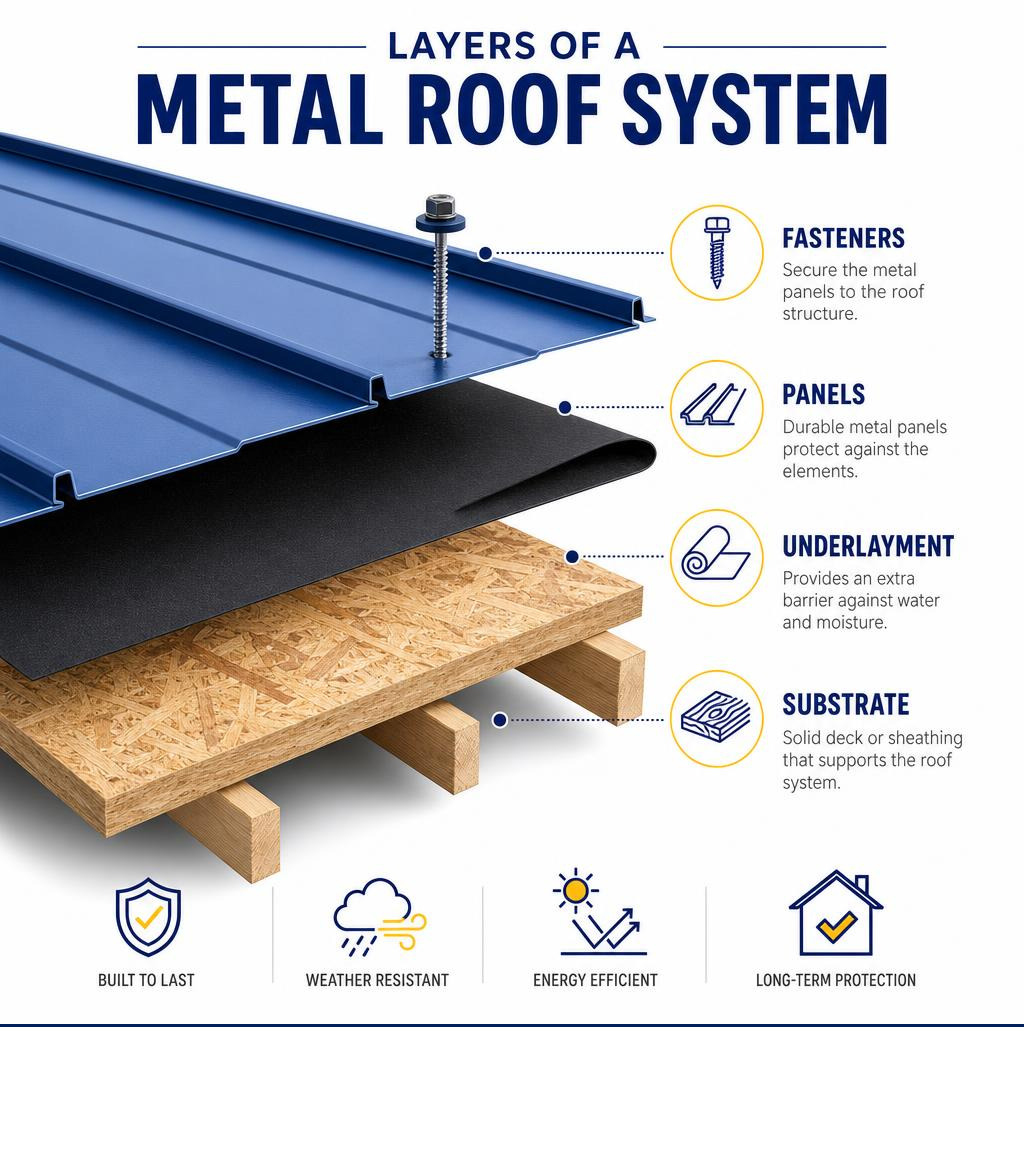
- Fact: This is only true for open-framed commercial barns. On a residential home, the metal panels are installed over a solid wood deck, high-quality underlayment, and a fully insulated attic space. This layered construction dampens sound so effectively that you won’t notice any difference in interior noise compared to a shingle or tile roof during a typical South Florida downpour.
- Myth 2: Metal roofs attract lightning strikes.
- Fact: Metal does not attract lightning. Lightning is attracted to the highest point in an area, regardless of the material. However, if your home is struck by lightning, a metal roof is actually the safest place to be. It safely conducts the electrical charge throughout the structure and into the ground, and because it is non-combustible, it will not catch fire.
- Myth 3: Metal roofs will rust quickly in coastal areas.
- Fact: Modern metal roofing is engineered specifically to resist corrosion. Galvalume steel features an aluminum-zinc coating that prevents rust, while aluminum and copper are naturally rustproof. When paired with premium PVDF finishes, your roof is fully protected against salt air and high humidity.
Frequently Asked Questions about Metal Roofing
Choosing a new roof involves many decisions. Here are answers to some of the most common questions homeowners ask us when planning their projects.
Do metal roofs make a house hotter during the summer?
No, the opposite is true! This is perhaps the most common misconception. Traditional dark asphalt shingles absorb heat and hold onto it, radiating warmth down into your attic and home long after the sun goes down.
In contrast, metal roofs reflect the majority of solar radiation. Combined with high-emissivity coatings that quickly release any heat they do absorb, and proper attic ventilation, a metal roof keeps your attic space significantly cooler. This reduces the workload on your air conditioning system and lowers your energy bills.
Can a metal roof be installed over existing asphalt shingles?
In many jurisdictions across Florida, building codes allow you to install a new metal roof directly over an existing single layer of asphalt shingles. This is known as a “roof-over.” Because metal is so lightweight, the structural load is rarely an issue.
However, at Anchor Up Roofing, we generally advise against this practice. Tearing off the old shingles allows us to inspect the plywood roof deck for any hidden rot, water damage, or loose nails. It also allows us to install a high-performance, self-adhering water barrier directly to the wood deck, ensuring your home is fully sealed against leaks.
What maintenance do metal roofs require?
One of the greatest benefits of these systems is that they are incredibly low upkeep. As we explain in our resource on Low Maintenance Metal Roofs in South Florida, they do not require the constant sealing, painting, or pressure washing that other materials do.
To keep your roof in peak condition, we recommend a few simple steps:
- Keep overhanging tree branches trimmed back to prevent scratching.
- Clear off any accumulated leaves, pine needles, or debris from valleys and gutters.
- Have a professional perform a quick annual inspection to check that all fasteners are secure and sealants are intact.
Conclusion
Investing in a metal roof is one of the smartest decisions you can make to protect your home, lower your energy bills, and boost your property’s long-term value. From sleek standing seam systems to classic 5V crimp profiles, there is a metal option to suit every architectural style and budget.
At Anchor Up Roofing, we are proud to be South Florida’s trusted metal roofing specialists. As a retired veteran-owned and operated business with over 20 years of hands-on experience, we bring military-grade precision, integrity, and craftsmanship to every roof we install. We serve homeowners across Florida’s East and West Coasts—including Miami-Dade, Broward, Palm Beach, Collier, and Lee Counties—with top-tier materials, 5-star customer service, and 100% financing options to make your dream roof affordable.
Ready to upgrade your home’s defense with a beautiful, hurricane-ready roof? Explore our Metal Roofing services today, or contact us to schedule your free, no-obligation estimate with our expert team!